Blog
ISO Audit Process: What Actually Happens During an ISO Audit
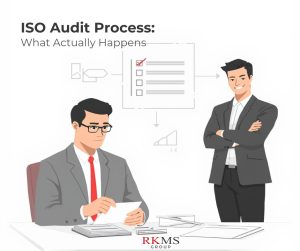
ISO Audit Process: Inside the Audit – What Actually Happens During an ISO Audit ISO audit process concerns trigger immediate anxiety for many organisations. Visions
ISO 14001, 45001 and 27001 for SMEs is more than just a list of standards – it is a roadmap for managing environment, health & safety and information security in a structured, joined-up way. Many SMEs start their ISO journey with a single standard – most commonly ISO 9001 for quality – and then begin to ask when they should add ISO 14001, ISO 45001 or ISO 27001 to keep up with customer expectations, regulation and risk.
But that first certificate is rarely the end of the story. As the business grows, new demands appear around environmental performance, workplace safety and data security. At that point familiar questions arise:
This guide explains when SMEs should add ISO 14001, ISO 45001 or ISO 27001 to an existing ISO system – and why, if you are ultimately heading for several standards, it is usually more cost-effective to plan and implement them together as an integrated management system rather than bolting them on one by one.
Most organisations we work with fall into one of a few patterns:
Before choosing a standard, it helps to step back and ask three simple questions:
The answers will usually point clearly towards ISO 14001, ISO 45001 or ISO 27001 as the next logical step.
ISO 14001 gives you a structured way to identify and control the environmental aspects of your activities – waste, emissions, energy use, resource consumption and compliance with environmental law.
For SMEs, ISO 14001 is especially useful when:
Key benefits:
ISO 45001 focuses on identifying, assessing and controlling health and safety risks, with strong emphasis on worker participation and legal compliance.
It comes into its own when:
Key benefits:
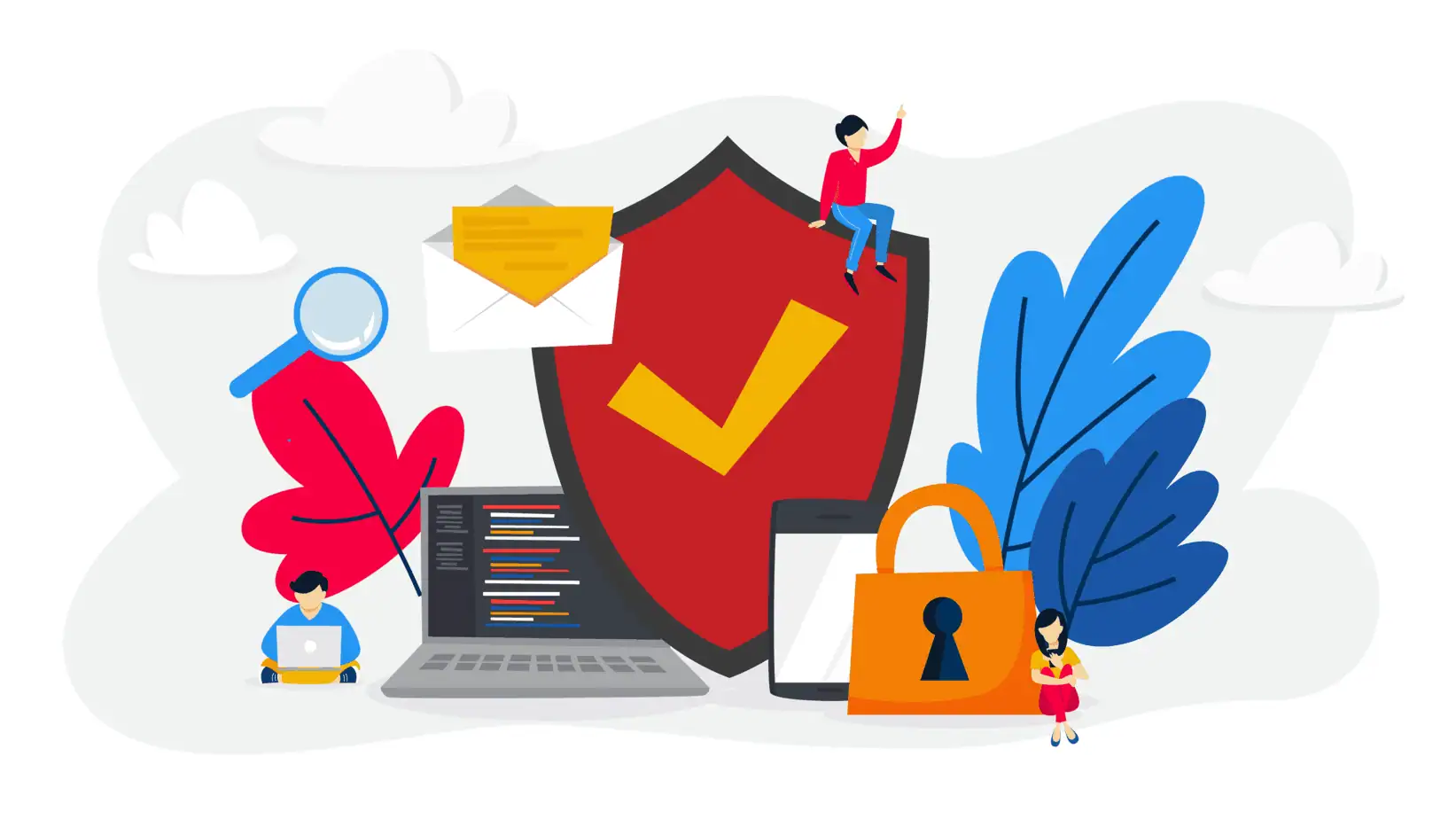
ISO 27001 is the recognised standard for information security management. It covers how you protect the confidentiality, integrity and availability of information, across people, processes and technology.
It is particularly relevant if you:
Key benefits:
If you already hold ISO 9001 or another modern ISO standard, you are not starting from scratch.
ISO 14001, ISO 45001 and ISO 27001 share core elements such as:
Because they share a common high-level structure, you can design one integrated management system that satisfies multiple standards, instead of maintaining several parallel systems.
When you plan ISO 14001 45001 27001 for SMEs as part of one integrated management system, you design common processes once and use them to meet the requirements of multiple standards, instead of building and maintaining separate systems for each.
You are probably ready for ISO 14001 if:
ISO 14001 will help you:
ISO 45001 should be on the table when:
ISO 45001 enables you to:
ISO 27001 becomes a priority when:
ISO 27001 supports you to:
Position your business as a trustworthy, security-mature partner.
A key decision for many SMEs is whether to add each new standard separately or plan a multi-standard project from the outset.
Our position as a consultancy is clear:
If you are looking towards multiple standards and can afford it, it is usually more cost-effective and efficient in the long term to implement and integrate them together.
Adding standards separately often means you:
Spread over several years, this repeated rework costs more in consultant time, internal effort and disruption than designing a single, integrated system up front.
By contrast, a planned integrated approach allows you to:
Think of your management system like the wiring in a building.
You can:
You get there in the end – but you have opened and closed the walls three times, created more mess and spent more money than you needed to.
Or you can:
The second option is cleaner, more efficient and less disruptive.
In the same way, putting in ISO 9001 now and then “bolting on” ISO 14001, ISO 45001 or ISO 27001 later usually means undoing and reworking parts of your existing system. Planning an integrated implementation from the outset lets you design for all the requirements in one coherent structure, even if you choose to take certification in stages.
Staged implementation can still be appropriate where budgets are tight. The key is to design with future standards in mind, not treat each one as a completely separate system.
To decide which standard to add first – and whether to add more than one – consider:
From there, typical SME pathways include:
At SME scale, well-planned projects are usually measured in months, not years, and can be sequenced so they do not overwhelm day-to-day operations.
When you work with RKMS to grow your management system, we will typically:
The aim is always to keep the system proportionate, practical and sustainable for an SME – something that genuinely helps you run the business, not just a set of binders for the auditor.
Most SMEs do not stop at one ISO standard. As your organisation grows, expectations around environment, safety and information security naturally follow.
If you can see that more than one of these will be needed in the next few years, it is worth stepping back and asking how to plan ISO 14001 45001 27001 for SMEs as part of a single, integrated management system rather than as separate, bolt-on projects.
If you are considering how to grow from one standard to many – and whether to add ISO 14001, ISO 45001 or ISO 27001 next – we can help you choose the right route and design a system that fits your organisation.
Grow your management system with expert guidance from RKMS.
Get free advice and guidance tailored to your exact business needs
ISO Audit Process: Inside the Audit – What Actually Happens During an ISO Audit ISO audit process concerns trigger immediate anxiety for many organisations. Visions
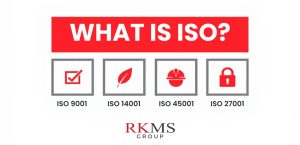
What is ISO? Demystifying 9001, 14001, 45001 and 27001 for Your Business If you’ve ever typed “what is ISO” into a search engine and been
Get free advice and guidance tailored to your business needs